
Can an Interior Designer Help Me Stay on Budget?
When people consider hiring an interior designer, one of the first concerns is often cost. It’s understandable bringing in professional expertise can feel like an added expense. However, in many cases, working with an interior designer can actually help you stay on budget and avoid costly mistakes throughout your project.
Whether you’re renovating, building new, or refreshing your interiors, a designer brings experience, product knowledge, and planning processes (as well as the creative) that can make your budget go further. Below are some of the most common questions clients ask about budgeting when working with an interior designer.
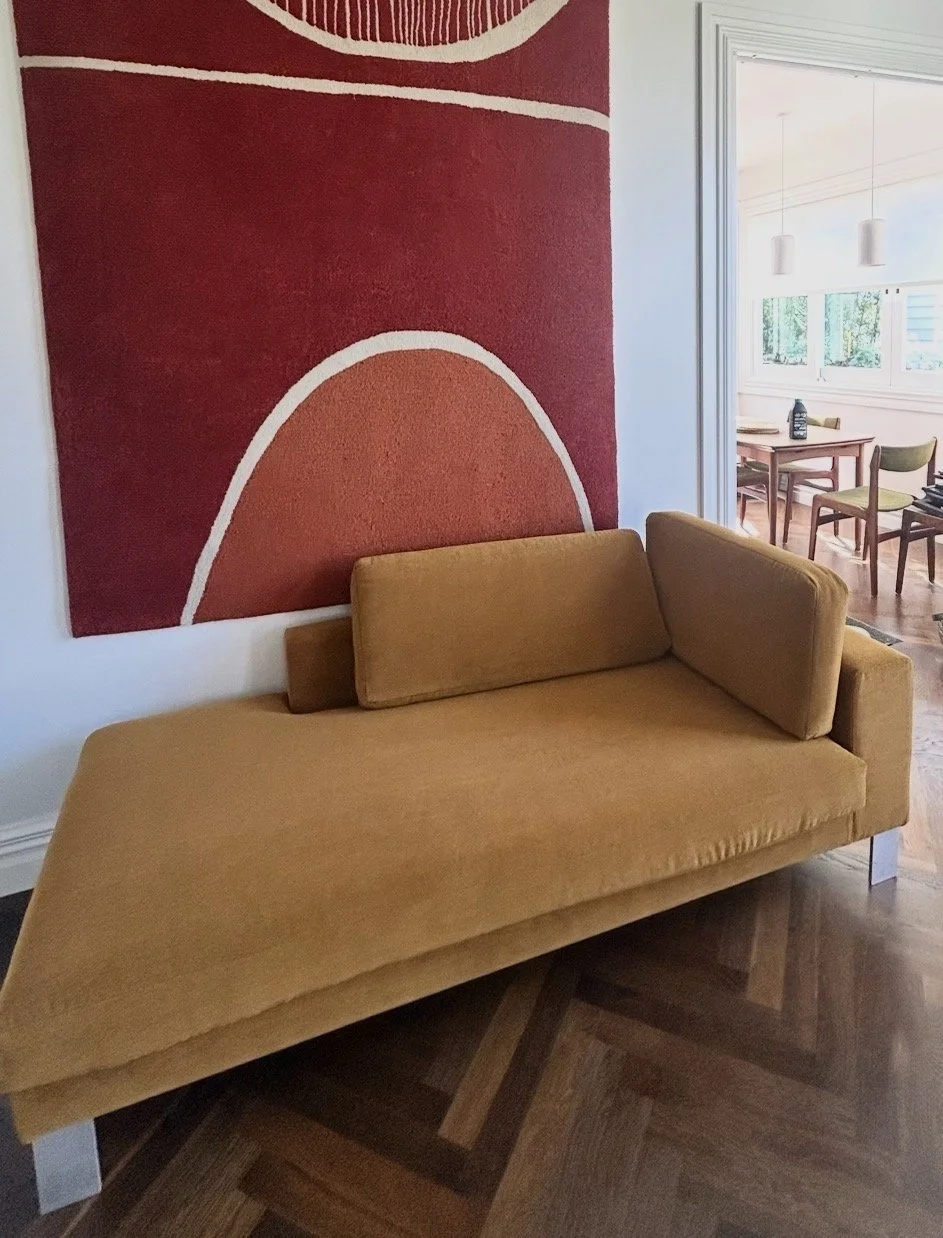
Reupholster
This daybed got a makeover with a beautiful velvet fabric my Mokum.
What are the most common budgeting mistakes homeowners make before hiring a designer?
One of the most common things I see is that most of the budget is allocated to the build or renovation itself, with very little thought given to the interior fit-out.
By the time the project is finished, there can be limited funds left for the elements that actually make the home comfortable and complete—furniture, rugs, lighting, window treatments and accessories.
A helpful starting point is to look at each space you’re renovating or building and begin gathering indicative pricing for the items you’ll need. This helps establish a realistic interior budget early on.
It’s also important to factor in design fees, along with the cost of furniture and furnishings, when planning your project budget.
Do you typically work with a fixed client budget from the start? Or help establish one?
It can be a bit of both.
Some clients come with a clear budget already in mind, while others simply aren’t sure what things cost. In those cases, I help establish a realistic budget by providing guidance around the cost of furniture, materials, and furnishings.
Because interior designers work with these products regularly, we have a good understanding of typical price ranges, which helps prevent clients from unintentionally underestimating the cost of completing their interiors.
Can You Share an Example of How a Client Saved Money by Hiring a Designer?
Interior designers bring a wide range of knowledge about products and their applications. This means we can often recommend materials, furniture, or finishes that clients may not have considered.
Sometimes this leads to more cost-effective or durable solutions, while still achieving the design outcome the client wants.
One example is recovering a piece of furniture that you may love, instead of purchasing a brand-new designer piece.
In many cases, working with a designer helps avoid costly mistakes such as purchasing furniture that doesn’t fit the space, selecting materials that don’t perform well, or making decisions that later need to be corrected.
What are the biggest hidden costs in interior design projects?
One of the biggest hidden costs homeowners often overlook is window treatments.
These are typically one of the last decorative elements installed after a renovation or new build, and by that stage budgets can already feel stretched. However, quality window treatments involve much more than just fabric.
Costs can include:
custom fabrics
linings
tracks and hardware
installation
When you are doing window treatments throughout an entire home, the investment can add up quickly. Planning for them early in the design process helps ensure they are included in the overall budget.
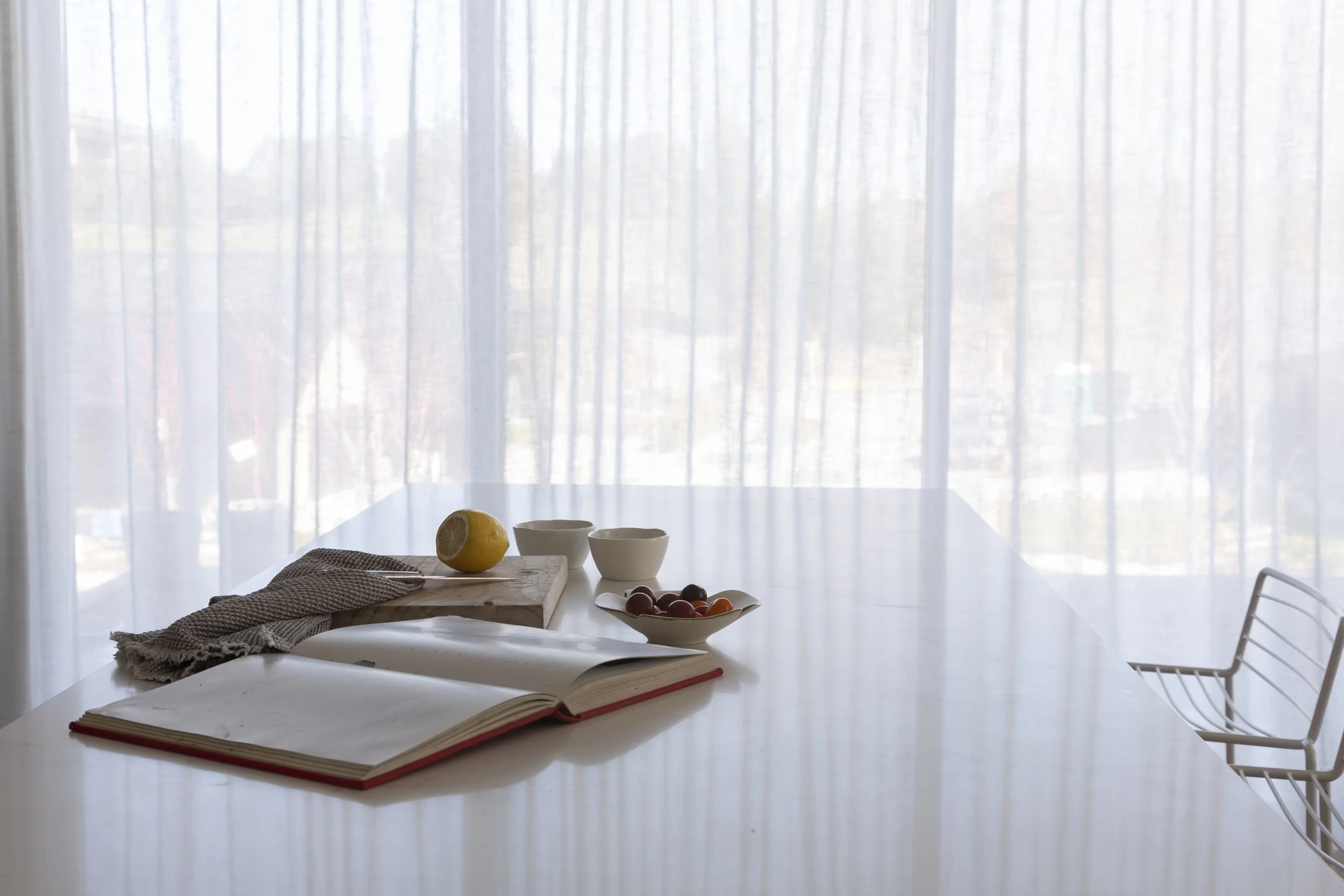
Full height sheer drapery by James Dunlop Textiles.
How do you prioritise spending within a room or project?
When planning a space, I usually recommend prioritising the larger pieces of furniture and items used every day. These pieces form the foundation of the room and need to withstand daily living.
For example, I would prioritise investment in:
sofas
dining tables
flooring
key functional furniture
Once those core elements are in place, it’s often possible to make savings on smaller accent pieces or decorative items.
This approach helps create a space that feels well considered and durable without overspending across every element.
Do interior designers provide access to trade pricing?
There’s a perception that interior designers offer cheaper products than retail. This isn’t the standard way of working in this industry. Some designers do work this way, and some don’t.
I like to compare it to visiting a mechanic. When your car needs parts, the mechanic doesn’t discount the cost on the invoice for you —they use their knowledge and experience to source the right parts and ensure everything works correctly and you get charged accordingly and with a markup.
Interior design works in a similar way. The value of working with a designer isn’t simply about product discounts—it’s about expert guidance, product knowledge, and ensuring all the elements of a space work together well. It is a luxury service at the end of the day.
What tools or processes do you use to manage budgets during a project?
In my studio a specialised interior design software called Programma is used which creates detailed specification schedules, product tracking, invoicing, and management of asset libraries.
This has significantly improved how projects are managed. Clients receive access to their own project dashboard, allowing them to see selections and progress in real time.
Having this level of organisation helps keep everyone aligned and makes it easier to track decisions and manage the overall project budget and timelines. It keeps everything in one place.
How do you achieve a high-end result when the budget is limited?
If a client has a limited budget, I often recommend focusing on one space at a time rather than trying to complete multiple spaces.
By concentrating resources on a single room, it’s easier to create a cohesive and well-resolved space. Over time, other areas of the home can be completed using the same approach. Patience is key here!
Trying to spread a smaller budget across an entire house can often result in compromises everywhere, whereas tackling spaces individually allows for a more considered result.
To round it off
Working with an interior designer isn’t simply about creating a beautiful home—it’s about making informed decisions and planning carefully so your budget works as effectively as possible while ensuring the entire journey runs smoothly.
With professional guidance, many clients find that hiring a designer actually helps them avoid expensive mistakes and achieve a more cohesive result than if they attempted to manage everything themselves.
Looking for an interior designer in Auckland? Check out my services page for a discussion about your project.